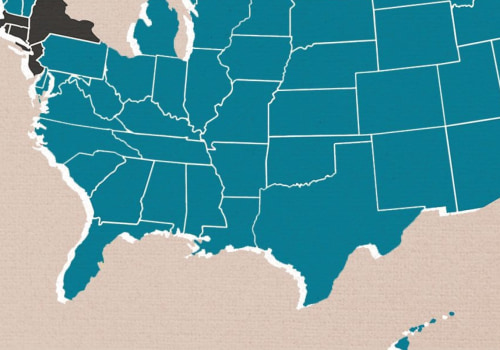
Medicare serves as a vital lifeline for millions of Americans, particularly those aged 65 and older, as well as younger individuals with disabilities. This federal health insurance program is designed to provide essential coverage for hospital stays, outpatient care, and various medical services. For many seniors and disabled individuals in Utah, understanding the intricacies of Medicare is crucial, as it directly impacts their access to necessary healthcare services and financial security.As the population in Utah continues to grow and age, the importance of Medicare becomes even more pronounced. With a younger demographic compared to other states, many residents may not be fully aware of how Medicare works or the benefits it offers.
This lack of understanding can lead to gaps in coverage and unexpected out-of-pocket expenses. Therefore, it is essential for Utahns to familiarize themselves with the different parts of Medicare—Part A, Part B, and beyond—and how these components work together to provide comprehensive health coverage.Moreover, while Medicare provides a solid foundation for healthcare coverage, it does not cover all medical expenses. This is where Medicare Supplement Plans come into play. These plans, often referred to as Medigap policies, are designed to fill the gaps left by Original Medicare.
They help cover costs such as copayments, coinsurance, and deductibles that can add up quickly. Understanding the significance of these supplemental plans is crucial for Utah residents who want to ensure they have adequate health coverage without facing overwhelming medical bills.In summary, grasping the fundamentals of Medicare and its importance is essential for seniors and disabled individuals in Utah. As we delve deeper into the specifics of Medicare Supplement Plans available in the state, it will become clear how these options can enhance healthcare security and peace of mind for beneficiaries.
What Are Medicare Supplement Plans?
Medicare Supplement Plans, commonly referred to as Medigap , are designed to fill the gaps in coverage left by Original Medicare (Parts A and B). While Original Medicare provides essential health care services, it does not cover all medical expenses.This is where Medigap plans come into play, offering additional financial protection for beneficiaries.Medigap policies are sold by private insurance companies and are standardized across states, meaning that each plan labeled with a specific letter (A through N) offers the same basic benefits regardless of the insurer. For instance, if you purchase a Plan G from one company, it will provide the same coverage as a Plan G from another company. This standardization allows consumers to compare plans easily and choose one that best fits their needs.The primary purpose of Medigap is to help cover out-of-pocket costs associated with Original Medicare, such as:
- Copayments: These are fixed amounts you pay for specific services, like doctor visits or hospital stays.
- Deductibles: This is the amount you must pay out-of-pocket before your Medicare coverage kicks in.
- Coinsurance: This refers to the percentage of costs you share with Medicare after meeting your deductible.
Therefore, understanding what each plan covers is crucial when selecting a Medigap policy.Unlike Medicare Advantage plans, which are an alternative way to receive Medicare benefits and often include additional services like vision and dental coverage, Medigap plans work alongside Original Medicare. This means that if you have a Medigap policy, you will still use your Original Medicare card when receiving medical services.In summary, Medicare Supplement Plans serve as a valuable resource for those enrolled in Original Medicare who wish to minimize their out-of-pocket expenses. By understanding how these plans complement Medicare and the differences between Medigap and other types of insurance options, beneficiaries can make informed decisions about their health care coverage.
Overview of Medicare in Utah
Utah's Medicare landscape is shaped by a unique combination of demographics, healthcare needs, and state policies. As of recent statistics, approximately 15% of Utah's population is enrolled in Medicare, which translates to over 400,000 beneficiaries.This percentage is relatively lower than the national average, reflecting Utah's younger population compared to other states. The state has a median age of around 31 years, which contributes to a smaller proportion of residents qualifying for Medicare due to age.Among the beneficiaries, a significant portion consists of individuals aged 65 and older, but there is also a notable number of younger individuals with disabilities who qualify for Medicare. In fact, about 10% of Utah's Medicare recipients are under the age of 65. This demographic diversity necessitates a range of healthcare services tailored to different age groups and health conditions.Utah's Medicare beneficiaries are served by a variety of healthcare providers, including hospitals, clinics, and specialized care facilities. The state boasts a robust healthcare system characterized by high-quality care and innovative practices.
For instance, Utah has been recognized for its emphasis on preventive care and wellness programs, which are crucial for managing chronic conditions prevalent among older adults.Moreover, the state has implemented several initiatives aimed at improving access to healthcare services for Medicare recipients. These include programs that focus on reducing hospital readmissions and enhancing care coordination among providers. Such efforts are particularly important in rural areas where access to healthcare can be limited.In terms of enrollment trends, Utah has seen an increase in the number of beneficiaries opting for Medicare Advantage plans, which offer additional benefits beyond Original Medicare. This shift reflects a growing preference for plans that provide comprehensive coverage options tailored to individual needs.Overall, understanding the demographics and statistics surrounding Medicare in Utah is essential for both beneficiaries and policymakers.
It highlights the need for ongoing support and resources to ensure that all residents have access to the healthcare they require as they age or face health challenges.
Types of Medicare Supplement Plans Available in Utah
In Utah, beneficiaries have access to a variety of Medicare Supplement Plans, commonly referred to as Medigap plans. These plans are designed to fill the gaps left by Original Medicare (Part A and Part B) and provide additional financial protection against out-of-pocket costs. Understanding the different types of Medigap plans available can help you make an informed decision about your healthcare coverage.There are ten standardized Medigap plans in Utah, each identified by a letter from A to N. While all plans offer a core set of benefits, the extent of coverage varies significantly between them.Below is a breakdown of each plan:
- Plan A: This plan provides basic benefits, including coverage for hospital coinsurance and copayments, as well as the first three pints of blood needed for a medical procedure.
- Plan B: In addition to the benefits of Plan A, Plan B covers the Medicare Part A deductible, which can be a significant cost for beneficiaries.
- Plan C: This comprehensive plan includes all benefits from Plans A and B, plus coverage for skilled nursing facility care coinsurance and the Medicare Part B deductible.
- Plan D: Similar to Plan C but does not cover the Medicare Part B deductible. It offers extensive coverage for hospital and outpatient services.
- Plan F: Often considered one of the most comprehensive options, Plan F covers all gaps in Original Medicare, including excess charges. However, it is not available to new enrollees after January 1, 2020.
- Plan G: This plan is similar to Plan F but does not cover the Part B deductible. It is a popular choice among new beneficiaries due to its extensive coverage.
- Plan K: Offers lower premiums but has higher out-of-pocket costs.
It covers 50% of certain services, including the Part A deductible and skilled nursing facility care coinsurance.
- Plan L: Similar to Plan K but covers 75% of certain costs. It provides a balance between premium costs and out-of-pocket expenses.
- Plan M: This plan covers most gaps but does not cover the Part A deductible. It is designed for those who want lower premiums with some cost-sharing responsibilities.
- Plan N: Offers comprehensive coverage with lower premiums than Plans F and G but requires copayments for certain office visits and emergency room visits.
Eligibility for Medicare Supplement Plans in Utah
Understanding the eligibility criteria for Medicare Supplement Plans, commonly known as Medigap, is crucial for Utah residents seeking to enhance their Medicare coverage.These plans are designed to fill the gaps left by Original Medicare, but not everyone qualifies for them. Here’s a detailed look at who can enroll in Medigap plans in Utah.
Age Requirements
In general, to be eligible for a Medicare Supplement plan in Utah, you must be at least 65 years old. This age requirement aligns with the standard eligibility for Medicare itself, which typically begins when individuals reach this milestone. However, there are specific provisions for those under 65.
Eligibility for Individuals Under 65
While most Medigap plans are available primarily to seniors, individuals under 65 who are receiving Social Security Disability Insurance (SSDI) benefits may also qualify.
In Utah, if you have been disabled and receiving SSDI for at least 24 months, you can apply for a Medigap policy. It’s important to note that federal regulations do not mandate that all insurance companies offer Medigap plans to those under 65, so availability may vary.
Initial Enrollment Period
Your initial enrollment period for a Medigap plan begins when you turn 65 and are enrolled in Medicare Part B. This period lasts for six months. During this time, you have guaranteed issue rights, meaning insurance companies cannot deny you coverage or charge higher premiums based on your health status.
This is a critical window for securing the best possible coverage without facing medical underwriting.
Open Enrollment Period
If you miss your initial enrollment period, you will have to wait until the next open enrollment period to apply for a Medigap plan. This period typically occurs annually and allows current Medicare beneficiaries to switch or enroll in different plans. However, outside of these designated times, obtaining a Medigap policy may require medical underwriting, which could lead to higher premiums or denial of coverage based on pre-existing conditions.
Conclusion
Understanding the eligibility requirements for Medicare Supplement Plans in Utah is essential for making informed decisions about your healthcare coverage. Whether you are approaching 65 or are under 65 with a disability, knowing when and how to enroll can significantly impact your access to necessary medical services and financial protection against healthcare costs.
How to Choose the Right Medicare Supplement Plan in Utah
Choosing the right Medicare Supplement Plan, or Medigap plan, in Utah can be a daunting task, especially with the variety of options available.To make an informed decision, it’s essential to consider several key factors that align with your individual health needs and financial situation.
1.Assess Your Health Care Needs
- Current Health Status: Evaluate your current health conditions and the frequency of medical services you require. If you have chronic conditions or anticipate needing regular medical care, a plan with comprehensive coverage may be beneficial.
- Future Health Considerations: Consider potential future health issues. While it’s impossible to predict the future, understanding your family’s health history can provide insights into what you might need.
2.Understand Coverage Options
Each Medigap plan in Utah offers different levels of coverage. Familiarize yourself with the benefits provided by each plan type (A through N).
For instance, some plans cover additional costs like foreign travel emergency care or skilled nursing facility care, which may be important depending on your lifestyle and travel habits.
3.Evaluate Your Budget
- Premium Costs: Compare monthly premiums for different Medigap plans. While lower premiums may seem attractive, they might come with higher out-of-pocket costs when you need care.
- Out-of-Pocket Expenses: Look beyond premiums to understand deductibles, copayments, and coinsurance associated with each plan. A plan with a higher premium might save you money in the long run if it covers more of your healthcare expenses.
4.Consider Provider Networks
While Medigap plans generally allow you to see any doctor that accepts Medicare, some plans may have specific networks or preferred providers. Ensure that your preferred healthcare providers are included in the plan you choose.
5.Review Plan Ratings and Customer Feedback
Research customer reviews and ratings for different insurance companies offering Medigap plans in Utah.
This can provide insights into their customer service quality and claims process efficiency.
6.Seek Professional Guidance
If you're feeling overwhelmed by the choices, consider consulting with a licensed insurance agent who specializes in Medicare plans in Utah. They can help clarify options and guide you toward a plan that best fits your needs.Ultimately, selecting the best Medigap plan for you involves careful consideration of your health needs, financial situation, and personal preferences. Taking the time to evaluate these factors will help ensure that you choose a plan that provides peace of mind and adequate coverage for your healthcare needs.
Costs Associated with Medicare Supplement Plans in Utah
Understanding the costs associated with Medicare Supplement Plans in Utah is crucial for beneficiaries looking to enhance their healthcare coverage. These costs can vary significantly based on several factors, including the specific plan chosen, the insurance provider, and the individual’s health status.Premiums for Medigap Plans
One of the primary costs associated with Medicare Supplement Insurance is the monthly premium.
In Utah, premiums for Medigap plans can range widely. On average, beneficiaries might expect to pay anywhere from $100 to $300 per month, depending on the plan type and the insurer. For instance, plans that offer more comprehensive coverage, such as Plan F or Plan G, typically come with higher premiums compared to more basic options like Plan A.It’s important to note that premiums can also be influenced by factors such as:
- Age: Premiums may increase as you age, especially if you enroll in a plan after your initial enrollment period.
- Gender: Some insurers charge different rates based on gender.
- Tobacco Use: Smokers may face higher premiums compared to non-smokers.
- Location: Costs can vary by region within Utah due to differences in healthcare costs.
Out-of-Pocket Expenses
In addition to monthly premiums, beneficiaries should also consider potential out-of-pocket expenses. While Medigap plans help cover many costs not included in Original Medicare, such as copayments and deductibles, there may still be some expenses that beneficiaries need to pay.
For example:
- Deductibles: Some plans may require you to pay a deductible before coverage kicks in.
- Coinsurance: Depending on your plan, you might still be responsible for a percentage of certain services.
- Excess Charges: If you see a provider who does not accept Medicare assignment, you may have to pay excess charges unless your Medigap plan covers them.
Cost Comparison of Medigap Plans
When evaluating different Medigap plans in Utah, it’s essential to conduct a thorough cost comparison. Each plan offers different levels of coverage and associated costs. For example:
- Plan F: Known for its comprehensive coverage, it typically has higher premiums but covers nearly all out-of-pocket costs.
- Plan G: Slightly less expensive than Plan F, it requires beneficiaries to pay the Part B deductible but covers most other expenses.
- Plan N: Offers lower premiums but requires copayments for certain office visits and emergency room services.
Enrollment Periods for Medicare Supplement Plans in Utah
Understanding the enrollment periods for Medicare Supplement Plans, commonly known as Medigap, is crucial for Utah residents seeking to enhance their Medicare coverage.These periods dictate when you can enroll in a Medigap plan, and missing them can significantly impact your healthcare options.
Initial Enrollment Period
Your journey with Medigap begins during your Initial Enrollment Period (IEP). This period lasts for six months, starting the month you turn 65 and are enrolled in Medicare Part B. During this time, you have the right to purchase any Medigap plan available in Utah without facing medical underwriting. This means that insurers cannot deny you coverage or charge you higher premiums based on pre-existing conditions.
Open Enrollment Period
After your IEP, the next significant window is the Open Enrollment Period, which occurs annually from October 15 to December 7.However, it’s important to note that this period primarily applies to Medicare Advantage and Part D plans.
For Medigap plans, once your IEP ends, you may not have another guaranteed issue right until the next IEP unless you qualify for certain exceptions.
Special Enrollment Periods
There are circumstances that may allow for a Special Enrollment Period (SEP). For instance, if you lose your current health coverage or move out of your plan’s service area, you may qualify for an SEP. Additionally, if you are under 65 and become eligible for Medicare due to a disability, you will have a separate IEP when you turn 65.
Consequences of Missing Enrollment Periods
If you miss these critical enrollment windows, you may face penalties or be denied coverage altogether. Insurers can impose waiting periods for pre-existing conditions or charge higher premiums based on your health status.
Therefore, it is essential to stay informed about these timelines and act promptly.In summary, understanding the enrollment periods for Medicare Supplement Plans in Utah is vital for ensuring that you secure the coverage you need without unnecessary complications. Always keep track of your eligibility dates and consult with a licensed insurance agent if you have questions about your options.
Frequently Asked Questions About Medicare Supplement Plans in Utah
When it comes to Medicare Supplement Plans in Utah, many individuals have questions that can significantly impact their healthcare decisions. Below are some of the most frequently asked questions regarding Medigap plans, along with clarifications to help you navigate your options.What is a Medicare Supplement Plan?
A Medicare Supplement Plan, also known as Medigap, is a type of insurance policy that helps cover costs not fully paid by Original Medicare (Part A and Part B). This includes expenses like copayments, coinsurance, and deductibles.In Utah, these plans are essential for many seniors who want to minimize out-of-pocket healthcare costs.
Who is eligible for Medicare Supplement Plans in Utah?
Generally, anyone who is enrolled in Original Medicare can apply for a Medigap plan. However, eligibility can vary for those under 65 due to disability. While federal regulations do not guarantee access to Medigap plans for individuals under 65, some states, including Utah, have specific provisions that may allow younger beneficiaries to enroll.Can I switch my Medicare Supplement Plan?
Yes, you can switch your Medigap plan; however, the process may vary based on your health status and the timing of your application. After your initial enrollment period, you may face medical underwriting when applying for a new plan.This means that your health history could affect your eligibility or premiums.
Are all Medicare Supplement Plans the same?
No, while all Medigap plans must offer the same basic benefits as defined by the federal government, they can differ in additional coverage options and costs. In Utah, there are 10 standardized plans labeled A through N. Each plan offers varying levels of coverage for different out-of-pocket expenses.What are some common myths about Medicare Supplement Plans?
- Myth: Medigap plans cover everything.
- Fact: While they provide substantial coverage, they do not cover long-term care, vision or dental care, or hearing aids.
- Myth: You can only enroll in a Medigap plan during your initial enrollment period.
- Fact: Although this is the best time to enroll without medical underwriting, you can apply at other times; just be aware of potential health questions.
<strong>Conclusion</strong>
In summary, understanding Medicare plans in Utah is crucial for ensuring that you have the right coverage to meet your healthcare needs.As we have explored, Medicare Supplement Plans, commonly known as Medigap, provide essential financial support by covering costs that Original Medicare does not, such as copayments, coinsurance, and deductibles. This additional coverage can significantly reduce out-of-pocket expenses for beneficiaries.Utah residents have access to a variety of Medigap plans, each designated by letters A through N. While all plans offer the same basic benefits mandated by federal law, they differ in terms of additional coverage options and costs. For instance, some plans may cover foreign travel emergency care or excess charges for services provided by non-participating providers.
It is important to carefully compare these options to find a plan that aligns with your healthcare needs and budget.Another key takeaway is the timing of enrollment. The initial enrollment period is critical for securing a Medigap policy without medical underwriting. After this period, obtaining coverage may become more challenging due to health status or pre-existing conditions. Therefore, it is advisable to enroll as soon as you are eligible.Moreover, understanding the differences between Medigap and Medicare Advantage plans is essential.
While Medigap supplements Original Medicare, Medicare Advantage plans replace it with an alternative that often includes additional benefits like vision and dental coverage. Each option has its pros and cons, making it vital for beneficiaries to assess their individual health needs and financial situations.In conclusion, navigating the landscape of Medicare plans in Utah requires careful consideration and informed decision-making. By understanding the various Medigap options available and their respective benefits, Utah residents can enhance their healthcare coverage and ensure they are well-prepared for any medical expenses that may arise.